
Aftereffects of COVID: The Real Symptoms People Are Still Struggling With
The Aftereffects of COVID Are Real:
The global pandemic may feel like a moment everyone is eager to move past, but for many people, their bodies haven’t moved on at all. Fatigue, brain fog, anxiety spikes, memory lapses, dizziness, and unusual chest sensations have become quiet, lingering reminders of what the world went through. These patterns have left millions wondering:
“Why don’t I feel the same as before?”
“Are these the aftereffects of COVID?”
“Is anyone else experiencing this?”
In a recent episode of the Sweat Success Podcast, CRNA and author Kristina Morros sat down to share what she witnessed firsthand: both during the COVID crisis and in the years following it. Her perspective is not theoretical, political, or abstract, but it’s 100% grounded in what she saw in hospitals, in patients, in medical systems, and in the countless conversations she’s had since 2020 with people searching for answers about their health.
This blog distills the most valuable lessons from that conversation so more people can access the clarity, validation, and direction they’ve been looking for.
1. Many People Still Feel “Off” ( and There Are Legitimate Reasons Why)
One of the first insights Kristina shared is something surprisingly simple, but rarely acknowledged publicly:
It is completely normal that many people still don’t feel like themselves years after COVID.
This includes symptoms like: persistent brain fog, inconsistent energy or sudden fatigue, dizziness or feeling “floaty”, difficulty concentrating, brain “pressure”, heart flutters, random anxiety spikes, disrupted sleep patterns, increased inflammation or sensitivity, and feeling emotionally different or “out of sync”.
Kristina emphasized that these symptoms are not unusual, not imaginary, and not signs that someone is “broken.” They are part of a complicated set of aftereffects of COVID that medicine is still trying to fully understand.
What matters most is that people take these symptoms seriously, not in a fearful way, but in a self-aware way.
2. COVID Exposed Deep System Problems
While most conversations about COVID focus on the virus itself, Kristina discussed something far more structural: The pandemic exposed weaknesses in modern healthcare that were always there.
This included:
- overwhelmed hospital systems
- inconsistent communication between medical institutions
- protocols that changed rapidly and created confusion
- misaligned incentives within the healthcare industry
- a lack of individualized patient care
- an over-reliance on quick fixes
- fragmented information about long-term effects
For many people, the system seemed reactive rather than supportive, and that disconnect has shaped the emotional and physical aftermath of the pandemic.
Kristina’s firsthand experience added weight to something many people felt intuitively but didn’t have the words to articulate:
“COVID didn’t break the system… it exposed the cracks that were already there.”
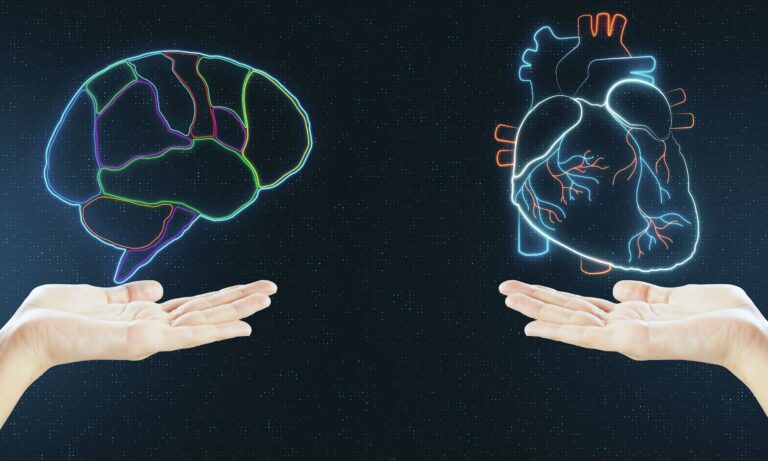
3. Brain & Heart Symptoms Are Among the Most Common Aftereffects
One of the most valuable insights Kristina shared centered around patterns, recurring symptom categories she’s seen in patients and everyday people since the pandemic.
She identified two major clusters:
A. Brain-Related Symptoms
These include: brain fog, short-term memory lapses, difficulty focusing, sensory sensitivity, episodes of confusion, emotional dysregulation, etc.
This aligns with many of the concerns people search for today:
“COVID brain fog,” “COVID dizziness,” and “COVID brain damage symptoms.”
Kristina didn’t frame these as diagnoses, but rather as real experiences that deserve attention, especially if they disrupt daily functioning.
B. Heart-Related Symptoms
She also noted a rise in people reporting chest tightness, heart flutters, palpitations, exercise intolerance and unusual fatigue after exertion.
Again, the focus is not fear, it’s clarity. These symptoms should be evaluated medically, but they also often improve with the right lifestyle adjustments.
4. Many People Have Questions About Vaccine Reactions
This was one of the most sensitive, yet most important parts of the conversation.
Kristina emphasized that people’s questions about possible vaccine side effects (memory issues, unusual inflammation, or lingering discomfort) should not be dismissed or treated with shame. Millions of people experienced uncertainty around both COVID and the vaccines, and many still don’t understand what was normal, what wasn’t, and what they should pay attention to today.
The key message she reinforced was this:
“Asking questions about your own body is never wrong.”
The goal is not to draw conclusions or make claims but to empower individuals to track their symptoms, get support, and advocate for themselves when something feels off.

5. Stress, Lifestyle Shifts, and Emotional Trauma Played a Bigger Role Than Expected
Not all aftereffects of COVID are biological.
Kristina highlighted that the emotional and psychological stress of the pandemic played a significant role in how people’s bodies responded. Many experienced:
- isolation
- disrupted routines
- anxiety
- uncertainty
- loss of community
- changes in work or family dynamics
- sleep disturbances
These factors can trigger or worsen:
- inflammation
- cortisol dysregulation
- hormonal imbalances
- sleep fragmentation
- energy crashes
- mood instability
In other words, the aftereffects of COVID are a combination of biology + psychology + environment, and the blend is different for everyone.
6. Healing Is Possible With the Right Daily Habits
Even though a large part of the episode explored what went wrong, the real heart of the conversation was this:
Most people can recover far more than they think.
And for many, healing begins with simple, consistent, evidence-backed daily habits.
Kristina shared a “minimum effective day” framework:
- go to sleep at a consistent time
- get natural morning light
- hydrate early and consistently
- eat whole, anti-inflammatory foods
- move daily (even walking counts)
- reduce late-night stimulation
- incorporate intentional stress relief
- avoid unnecessary snacking
- track symptoms without obsessing
- get basic lab work to understand deficiencies
While these habits won’t solve everything instantly, they create a baseline of stability that supports the body’s natural healing processes.
People often underestimate how profoundly these fundamentals impact inflammation, cognitive clarity, hormonal balance, nervous system function, longevity markers, emotional regulation and more.
7. You’re Not Alone
One of the most empowering parts of the conversation was hearing a medical professional validate what society often overlooks:
The aftereffects of COVID are real. They’re complex. They’re misunderstood. But they’re not impossible to overcome.
The COVID era left behind more than a virus, It left behind questions… and for many, a body that doesn’t feel familiar anymore.
Conversations like this one help bridge the gap between confusion and clarity, fear and understanding, frustration and action.
If you or someone you know is still navigating symptoms, uncertainty, or changes in how they feel, this episode is worth watching from start to finish.
Watch the full conversation here:
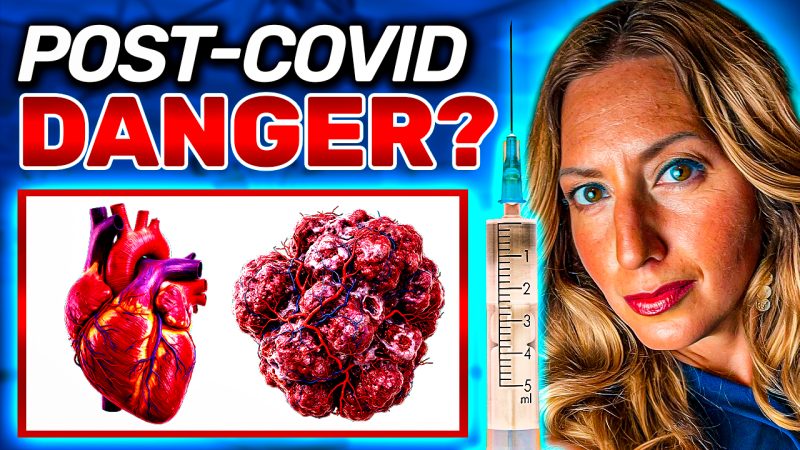
It may be the insight, validation, or direction you’ve been needing.
